
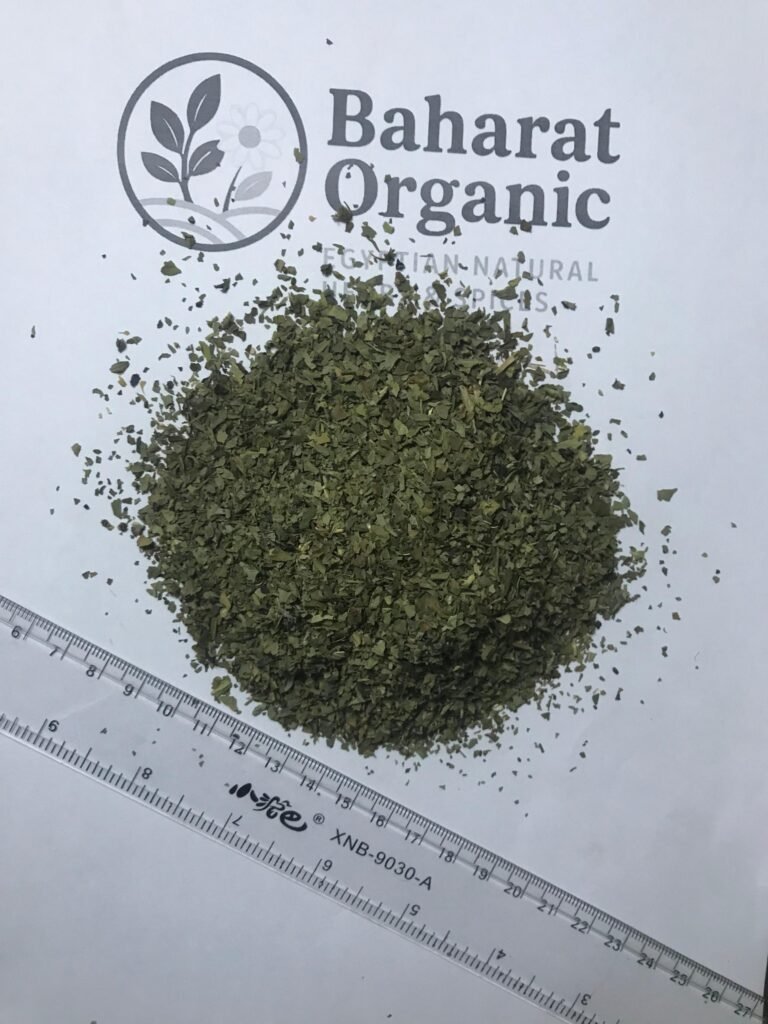
If you buy dried herbs, herbal tea botanicals or seeds in bulk, there is a good chance part of your supply already comes from Egypt. The country is one of the world’s most important origins for leafy herbs, chamomile, hibiscus and aromatic seeds, and it supplies spice processors, tea packers and food manufacturers across Europe, Russia, the Americas, the Gulf and Asia.
This guide explains why Egyptian origin matters, which products buyers source most, and what to check before placing a wholesale order.
Why Egypt is a strong origin for herbs and seeds
- Long growing seasons. Abundant sunshine and a dry climate allow several harvests a year for many leafy herbs, which supports steady year-round supply.
- Natural sun-drying conditions. Low humidity helps herbs and flowers dry evenly, preserving colour, aroma and essential-oil content.
- Generations of know-how. Herb and seed farming is a deep-rooted tradition, with experienced growers, cleaning plants and graders.
- Logistics. Short sea routes to Europe, the Black Sea and the Gulf, plus regular connections to the Americas and Asia, keep freight times competitive.
The product range buyers source most
Culinary herbs
Basil, thyme, parsley, rosemary, oregano, marjoram, dill and bay leaves. These are supplied whole, cut, crushed, rubbed or in specific mesh sizes for seasoning blends, sauces, snacks and retail packs.
Flowers and herbal tea botanicals
Chamomile, calendula, hibiscus, mint, peppermint, lemongrass, sage, lemon balm (Melissa) and moringa. Tea packers usually specify whole flowers or TBC (tea bag cut) grades, while food and beverage manufacturers often ask for hibiscus in whole, sliced or powder form.
Premium seeds
Fennel, caraway, anise, fenugreek, flax, sesame, nigella (black seed) and sunflower seeds, cleaned and graded for the spice, bakery, health-food and oil industries.
What to check before you place a bulk order
- Exact specification. Agree on form (whole, cut, TBC, powder), particle or mesh size, moisture, ash and admixture limits in writing.
- Cleaning and sterilisation. Ask which cleaning steps are applied and whether steam or gamma sterilisation is available if your market requires low microbial counts.
- Lab analysis. Request a recent certificate of analysis covering microbiology, pesticide residues and heavy metals against your destination market’s limits.
- Pre-shipment samples. Approve a sample from the actual lot before loading, not just a reference sample.
- Packing and labelling. Confirm bag type (PP, paper, kraft with liner), net weight per bag, palletising and the label details your customs authority needs.
- Documents. Certificate of origin, phytosanitary certificate, packing list and commercial invoice should match the contract exactly to avoid delays at the port.
- Incoterms. Be clear whether you are buying FOB, CFR/CNF or CIF, and to which port.
How we work with importers
Baharat Organic Company focuses on export and bulk supply only: herbs, spices, seeds and herbal tea botanicals in wholesale quantities for importers, distributors, packers and food manufacturers. We prepare quotations on request based on your specification, quantity and destination port, and we can share samples and analysis before you commit.
We also help buyers who source cardamom, black pepper, cinnamon, clove, turmeric, gum arabic and other products from different origins, so one partner can cover more of your spice list.
Frequently asked questions
Do you supply small retail quantities?
No. We work with wholesale and bulk orders only.
Can you match a specific mesh size or grade?
Yes. Send us your specification sheet and we will confirm what we can offer.
How do I get a price?
Tell us the product, form, quantity and destination port, and we will send a quotation.
Request a quotation
Email: export@baharatorganic.com
WhatsApp: +20 10 5559 4196